.png)

Young women with PCOS must seek medical attention and assistance. Early detection and treatment can help ease symptoms, lower the risk of long-term health problems, and improve general wellbeing. Treatment may include modifications to one’s lifestyle, such as eating a balanced diet and exercising regularly, as well as drugs to control hormones, manage symptoms, and address particular problems, such as reproductive issues. For treating the many facets of PCOS’s impact on women in this age range, a multidisciplinary approach comprising healthcare experts, dietitians, and mental health specialists might be useful.
We interviewed Dr. Jocelyn Zamora-Vergara, an OBGYN for 23 years of practice and an associate professor in the Department of Obstetrics and Gynaecology in the Philippines and Dr. Maria Christian Abalos, an OBGYN of 25 years to discuss more information about PCOS.
Diagnosis of PCOS
PCOS is an acronym for Polycystic Ovary Syndrome and it encompasses several symptoms to complete diagnosis. Here are lists of symptoms to look for:
• Menstrual abnormalities
• Hirsutism: facial
• Hypoallergenismhair, chest hair
• Skin problems: acne, bacne or other skin acne
• Ultrasound findings of the Polycystic Ovary
• Anovulatory cycles which is where she has irregular cycles
There are cases where women with PCOS are more likely to develop high-risk illnesses such as diabetes, cardiovascular disease, and endometrial cancer. The same test and examinations like lipid profile monitoring for diabetes are also applied when treating endometrial cancer. Mostly doctors will ask for diaries and monitor their menstrual cycle and regular monitoring of the uterus.
“It has to be a holistic approach that we need to be doing to our patients.”
— Dr. Jocelyn Vergara on health care professionals’ approach on women with PCOS
This means that with proper treatment those with PCOS will still be able to give birth and start a family. Therefore, PCOS does not prevent those with the condition from giving birth but with enough perseverance and the proper support you will be able to create a success story of your own.
So, why do women avoid talking about it?
Talking openly about your health issues can be difficult especially when it comes to PCOS. Especially considering multiple cultural settings owing to issues including stigma, privacy concerns, and ignorance. Like in many locations, there can be factors in the Philippines that influence how women approach talking about their health.
“It depends on the symptoms of the patient; not everybody presents with PCOS who have the same manifestation or the same circumstances. We focus on [how] we will be treating our patients.”
— Dr. Jocelyn Vergara on the differences of women’s manifestations
According to Dr. Maria Christian Abalos, having PCOS' symptoms such as irregular menstruation, acne, hirsutism, and even infertility may relay a mixed experience of shame or embarrassment regarding medical disorders.
You may be discouraged from seeking assistance sometimes and it is perfectly understandable that there are women who have limited access to healthcare services, particularly specialists who offer a safe space for them to open up about PCOS. This is to hoping that more experts in the medical field locally can help promote better healthcare services and resources for women with PCOS.
“Tapos yung mga nandito [within the city] minsan don’t know what PCOS really is, kasi minsan nagkakaroon ng imbalance ang kanilang mga beliefs regarding PCOS.”
— Dr. Maria Christian Abalos on women’s beliefs about PCOS
Dr. Maria Christian Abalos shared some factors that could prevent them from fully opening about their condition. These are cases where women who may lack financial resources There are scenarios where they are having this problem but they cannot seek medical help because of distance also financial. So if they cannot reach us, we could not reach them. Information Dissemination plays a significant role.
Dr. Maria Christian Abalos have seen cases on medical services in the Philippines particularly, the women's health which are concentrated within NCR. Residents in remote areas need the information, they should be educated and they should have more information as a whole on what it is, what are we going to do about it.
Although it can be difficult to talk about health problems, it's important to remember that you're not alone and there are resources available to help. Speaking to understanding healthcare providers can create a safe space for women to share their experiences with PCOS. By encouraging open discussion and improving healthcare resources, we can break down the barriers that prevent women from seeking treatment and reduce the stigma surrounding this disease.
How To Check for PCOS
Blood works that may be done for PCOS patients include measuring androgen levels, fasting blood sugar or Glycosylated Hemoglobin to assess diabetes control, and testing for insulin resistance. Other tests may also be done depending on the patient’s underlying symptoms. There are also some factors of insulin resistance that happen, and some of them may have undetected diabetes. Apart from the ultrasound, the blood chemistry should also include those that will focus on the patient’s general status for a complete work checkup.
Lists of things to check:
• Hyperandrogenism
• Hypoestrogenism
• Insulin Resistance
• Testosterone Levels Test
• Glycosylated Hemoglobin
• Hyperglycemia
• Cholesterol Levels
• Lipid count
• Allergen Level: Hyperallegen
The Rotterdam Strategy
In order to diagnose a patient to have PCOS, women who are having at least 2 or 3 symptoms then a diagnosis of PCOS can be made. The Rotterdam criteria offer a more thorough method of PCOS diagnosis, enabling a wider variety of characteristics associated with PCOS to be diagnosed. This has improved PCOS diagnosis and treatment, enabling more women to obtain specific treatment for their unique symptoms and requirements. However, it’s crucial to keep in mind that PCOS is an intricate condition and that each person’s experience may be unique, requiring individualized therapy and management strategies.
Therefore, for a precise diagnosis and personalized management, working with a healthcare provider with PCOS experience and conducting a thorough examination are essential.
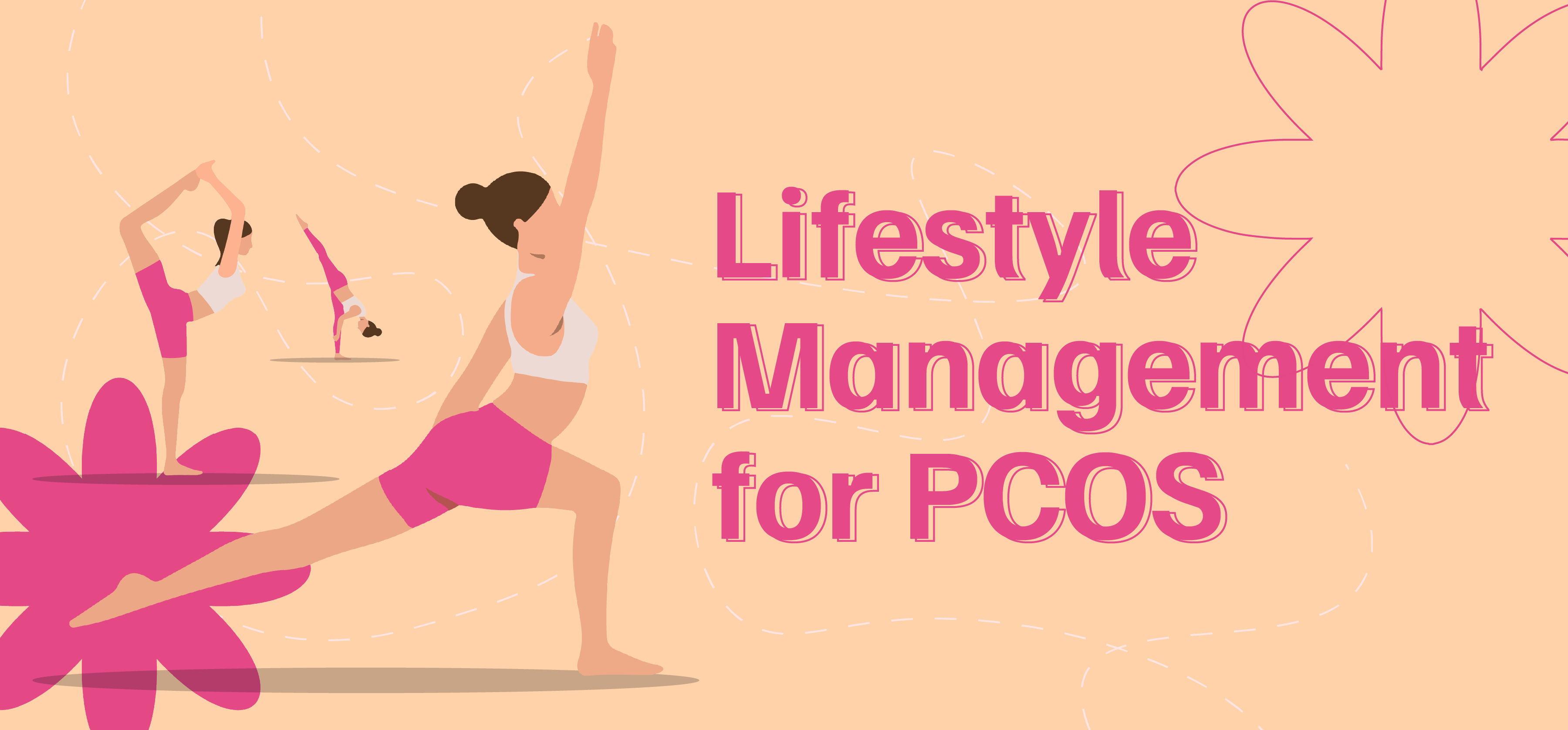
Lifestyle Management
Lifestyle management is an important part of treating PCOS. Women with PCOS are advised to eat a balanced diet and exercise regularly. This can help regulate insulin levels and improve symptoms.
Maintaining a healthy weight can also be beneficial. Women with PCOS should avoid smoking and limit alcohol consumption. Stress management techniques, such as yoga or meditation, may also be helpful in managing PCOS symptoms.
Want to read more about this topic? Download the magazine here.
Comments
The Rotterdam Strategy should always be done for assessing if someone have PCOS talaga. I agree
10-10-23 02:43:23
Still Curious?


Add a comment